
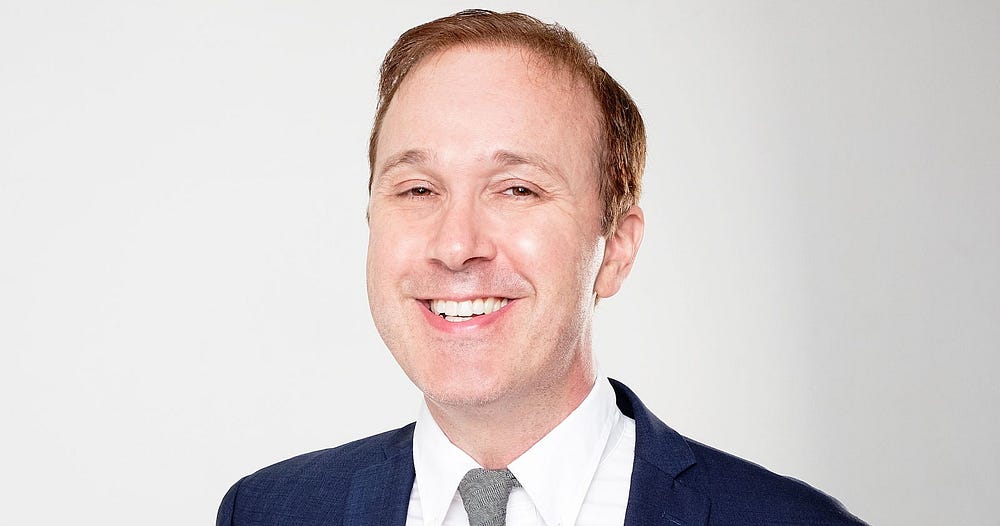
Size has a way of changing how success gets measured. Revenue climbs, headcount grows, and expansion starts to feel like validation in itself. Gregory Hold, CEO and founder of Hold Brothers Capital, recognizes that growth can be misleading when it becomes the primary signal leaders rely on to judge progress. Bigger numbers can create the impression of momentum, even as the organization struggles with clarity, coherence, or long-term direction.
This tension matters because growth is visible, and progress is not always. Expansion shows up in dashboards and headlines. Progress shows up in how decisions improve over time, how teams work together under pressure, and how consistently the organization acts in line with its purpose. The two can overlap, but they are not the same thing, and confusing them often leads companies off course.
Growth Measures Scale, not Quality
Growth tells you how much. It does not tell you how well. A company can grow quickly, while accumulating complexity, inefficiency, and cultural strain beneath the surface. In the initial stages, these issues can be masked by momentum. Demand outpaces mistakes. Opportunity compensates for misalignment. Over time, however, the cost of the unresolved problems compounds.
Progress, by contrast, reflects improvement in judgment and capability. It shows up in clearer priorities, smoother execution, and stronger internal trust. These gains rarely produce dramatic spikes on a chart, but they change how resilient the organization becomes. Companies focused solely on growth often miss these signals because they are harder to quantify, yet they are the ones that determine whether scale strengthens or weakens the business.
When Expansion Becomes the Goal
Expansion turns risky when it becomes an end, rather than a means. Leaders start evaluating decisions primarily through the lens of size, more markets, more products, and more reach. This framing can crowd out deeper questions about fit and focus. Teams pursue initiatives because they add volume, not because they reinforce identity.
It is where mission plays a critical role. Mission reframes success around intention, rather than accumulation. It asks whether growth advances what the organization is trying to build, not simply whether it increases its footprint. Without that filter, companies can expand in ways that dilute culture, strain operations, and create internal confusion about what matters most.
Progress Depends on Alignment, not Acceleration
Acceleration feels productive, yet it often exposes gaps in alignment. Teams move fast in different directions. Priorities shift before systems catch up. Leaders spend more time resolving conflict than setting direction. Growth amplifies these issues, because it increases the number of decisions being made simultaneously.
Progress slows the right things down. It encourages leaders to clarify standards, align incentives, and invest in capabilities that support consistency. It does not mean rejecting speed. It means choosing where speed adds value and where restraint prevents damage. Gregory Hold of Hold Brothers Capital highlights that organizations gain strength when leaders focus on intention and resilience, instead of chasing volume alone. That perspective highlights the difference between moving quickly and moving well.
The Role of Mission in Defining Better
Better is a subjective word unless it is grounded in purpose. Mission gives leaders a way to define what improvement looks like beyond growth metrics. It shapes how quality is evaluated, how people are treated, and how tradeoffs are made when priorities compete.
When the mission is clear, progress becomes easier to recognize. Leaders can see whether decisions strengthen trust, improve collaboration, or deepen expertise. These outcomes may not always produce immediate growth, yet they create conditions where growth becomes more sustainable. Without a mission, better becomes whatever delivers the next increase, regardless of long-term cost.
Cultural Health as a Measure of Progress
Culture often reflects whether progress is happening beneath the surface. In organizations that grow without improving, culture shows signs of strain. Communication becomes transactional. Accountability feels uneven. People focus on survival, rather than contribution. These shifts rarely appear in growth reports, yet they influence performance over time.
Mission-centered progress pays attention to cultural signals. Leaders notice whether teams feel aligned, whether managers model expected behavior, and whether feedback flows openly. Improvement in these areas suggests the organization is learning how to handle complexity, not just adding it. That learning is a form of progress that compounds quietly.
Operational Maturity Versus Operational Sprawl
Operational sprawl is a common byproduct of unchecked growth. Processes multiply without coordination. The organization becomes harder to navigate, both for employees and customers. Growth can hide this sprawl for a time, but eventually it slows execution and increases risk.
Progress, on the other hand, shows up as operational maturity. Systems become clearer. Roles become better defined. Decisions get made closer to the work with fewer handoffs. Mission supports this maturity by providing a reference point for simplification. Leaders can ask which processes support purpose, and which exist out of habit. That clarity helps reduce friction as scale increases.
Measuring What Growth Misses
Many elements of progress resist simple measurement. Trust, clarity, and resilience do not fit neatly into quarterly reports. Yet, leaders can still observe them through patterns. Fewer escalations. Faster cross-team decisions. More consistent behavior under stress.
Mission helps leaders pay attention to these signals by reminding them of what the organization is trying to become. Growth metrics remain important, but they stop being the only story. Progress becomes visible through improved judgment and stronger alignment.
Choosing Progress as the Long Game
Choosing progress does not mean rejecting growth. It means placing growth within a larger frame. Expansion becomes a result of doing the right things well, instead of a substitute for them. This mindset shifts how leaders talk about success, and how teams interpret pressure.
Gregory Hold of Hold Brothers Capital points out that meaningful progress shows up when leaders focus on building capability and coherence alongside scale. Getting bigger can be impressive. Getting better requires intention. Organizations that make that distinction early are better positioned to grow in ways that strengthen, rather than strain what they are building.
