
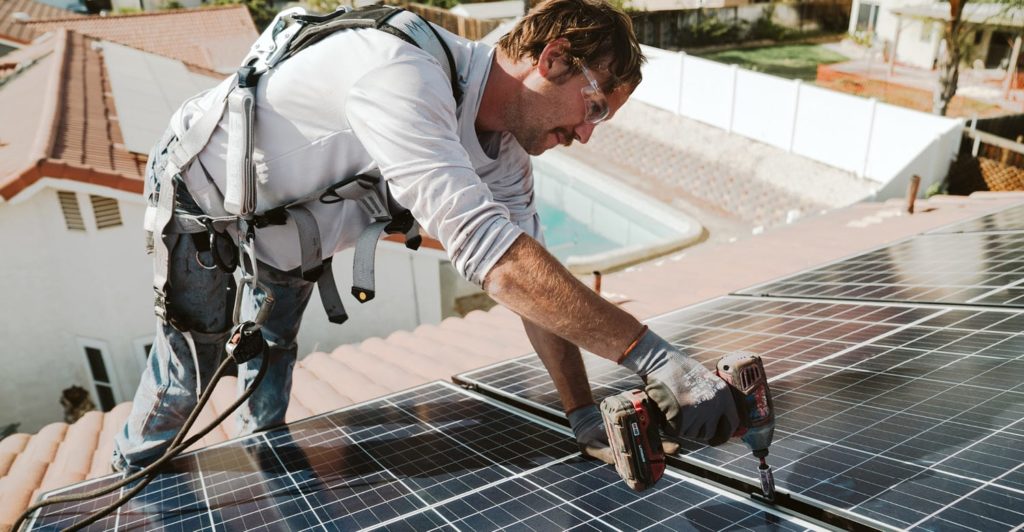
Across the United States, the solar industry is creating new opportunities for innovation, production, and installation. By strengthening both manufacturing and deployment at home, the nation has a chance to build a cleaner, more resilient energy future. Freedom Forever Solar, one of the country’s leading residential solar providers, is helping bridge that connection, bringing high-quality technology from manufacturers to rooftops in communities across America. Together, domestic production and installation form the foundation of a robust clean energy ecosystem.
As more families adopt solar power, maintaining a dependable supply of equipment and installation capacity remains essential to long-term stability. A consistent, well-coordinated supply chain supports reliable service, timely installations, and lasting confidence in the nation’s clean energy transition.
The Power of Building Close to Home
When production and deployment happen together, efficiency improves at every level. Manufacturers can respond more quickly to installer feedback, shorten shipping times, and reduce logistical costs. Installers gain access to reliable materials without delays or uncertainties that can accompany long-distance supply chains.
This proximity also fosters collaboration. Engineers, designers, and installers can collaborate to refine products in real-time, thereby enhancing performance and installation efficiency. As solar systems become more advanced, with integrated storage, monitoring, and smart home compatibility, close coordination between production and deployment becomes even more important. It works with national and regional suppliers, reflecting this synergy.
Manufacturing as a Catalyst for Innovation
Domestic manufacturing isn’t just about supply, and it’s about ingenuity. When production takes place close to where systems are installed, innovation becomes more practical and responsive. Manufacturers gain direct insight into how their products perform in different climates and installation settings, leading to faster improvements and better reliability.
This feedback loop supports ongoing innovation in areas such as panel durability, inverter efficiency, and system integration. As materials science and engineering advance, solar components become more adaptable, allowing homeowners to benefit from cutting-edge technology that has been tested and refined locally. The collaboration with equipment suppliers allows this process to thrive. Each installation becomes a source of insight, helping shape the next generation of solar products.
Freedom Forever Solar reviews frequently emphasize that the company consistently delivers high-quality results through clear communication and dependable technology. Customers often underline the professionalism of installation teams and the reliability of their systems long after setup is complete.
This feedback illustrates how strong partnerships between manufacturers and installers significantly impact the customer experience. When production and deployment align, systems perform as expected, and homeowners gain confidence in their investment. For many customers, that trust represents more than satisfaction. It reflects a belief in the long-term strength of the United States’ clean energy industry.
Deployment: The Heart of the Solar Workforce
Every solar panel installed represents the work of multiple skilled professionals, electricians, project managers, roofers, and technicians who bring clean energy to life. Expanding installation capacity means creating more jobs that support families and communities.
The solar workforce has become one of the nation’s most dynamic employment sectors, offering opportunities for apprentices, trade school graduates, and experienced technicians. Each new installation generates both local income and practical experience that fuels future growth.
The Role of Technology in Connecting Supply and Demand
Technology plays a critical role in uniting manufacturing and deployment. Digital design tools, project management platforms, and advanced logistics software enable smoother coordination across the supply chain. Installers can track material availability, schedule installations more efficiently, and monitor system performance after the installation is complete.
Smart analytics also allow manufacturers to anticipate demand and adjust production accordingly. When installers report performance data from thousands of systems nationwide, manufacturers gain valuable insight into how to improve future designs. This real-time exchange fosters a continuous cycle of improvement, benefiting both the industry and consumers.
Community Growth Through Clean Energy Expansion
As domestic manufacturing and installation expand together, local communities benefit in lasting ways. Each new production facility creates jobs, supports small suppliers, and stimulates regional economies. Each installation contributes to household savings, local tax revenue, and greater energy reliability.
This growth creates a ripple effect. When communities invest in clean energy, they gain both economic and environmental returns. Homeowners enjoy predictable costs, local contractors see steady demand, and towns experience renewed vitality through sustainable industry.
Training and Workforce Development
Sustaining growth in both manufacturing and installation requires a steady flow of skilled workers. Apprenticeship programs, trade schools, and on-the-job training are vital to ensuring that the workforce can meet demand.
Manufacturers and installers share this responsibility. When training programs are aligned with real-world needs, workers can move seamlessly between production and deployment roles, gaining versatile skills that strengthen the industry. An emphasis on education and mentorship supports this approach. By collaborating with partners to develop training opportunities, solar companies like Freedom Forever enable new workers to gain hands-on experience while ensuring that installations meet the highest safety and quality standards.
A Shared Vision for Energy Independence
The expansion of domestic solar manufacturing and installation represents more than an industrial milestone. It’s a collective step toward energy independence. When production happens close to deployment, the entire system becomes more resilient, efficient, and self-sustaining.
This integration strengthens supply chains, supports local jobs, and enhances the nation’s ability to meet growing energy needs through clean, renewable sources. Homeowners gain confidence in the systems powering their homes, knowing that much of the technology was built and installed by American workers.
Building Strength from Within
America’s leadership in solar energy will depend on its ability to connect innovation with action. Domestic manufacturing provides the foundation while widespread deployment brings it to life. Together, they form a cycle of progress that creates opportunities across every corner of the country.
When production and installation move in harmony, the result is greater reliability, stronger communities, and a clean energy economy built from within. Each panel manufactured and installed in the United States represents more than power generation. It reflects national confidence in America’s capacity to lead its own energy future.
